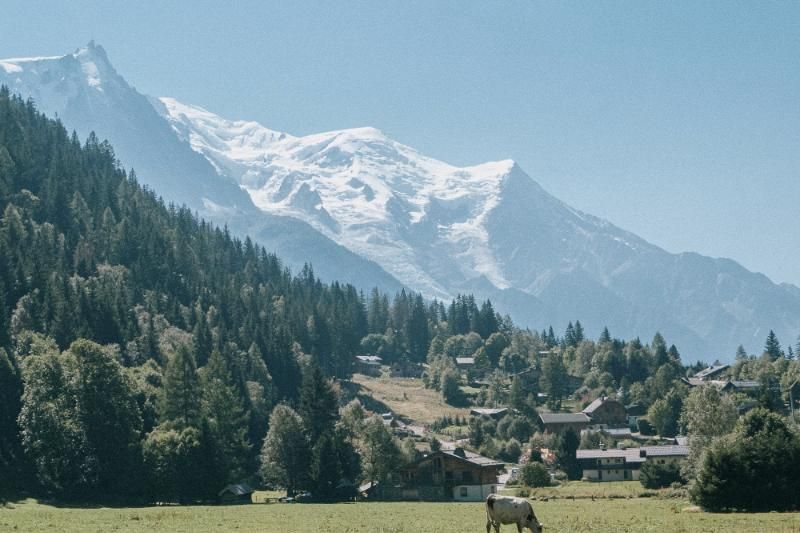
French lenders commonly treat Swiss residents close to EU residents, and strong files can borrow 70–80% of the price. Income in Swiss francs is converted with caution, and every loan you repay in Switzerland counts against the 35% ceiling. Banks rely on your salary certificate, tax assessments and pension statements. Many Swiss-based buyers look just across the border, in Haute-Savoie, the Ain or Alsace.
How much you can borrow
Switzerland is outside the EU, yet French banks commonly place Swiss residents alongside EU and UK borrowers. Strong files can be financed at 70–80% of the price. Purchase costs of 7–8.5% on an existing property, or 2–3% on a new build, come from your own funds.
The HCSF limits apply in full: total loan repayments, including insurance and any Swiss mortgage, may not exceed 35% of net household income, and the term is capped at 25 years, or 27 when capital repayment is deferred during the construction of a new build or during works costing more than 10% of the total purchase.
Earning in Swiss francs
Your loan is in euros and your salary in francs. The bank has to warn you about exchange risk, and it may count your income after a margin or ask for savings held in your French account. Most French loans are fixed for their whole term, so the euro repayment stays the same while its cost in francs moves with the exchange rate.
A forward contract can fix the rate for the deposit transfer, and our currency partner can set up monthly conversions at an agreed margin.
Swiss documents French banks ask for
- Passport or identity card for each borrower, residence permit if you are not Swiss, and proof of address
- Employed: last three payslips and your salary certificate (certificat de salaire, or Lohnausweis)
- Your last two tax assessments
- Statements from your pension fund and any third-pillar savings
- Self-employed: two to three years of accounts and tax returns
- Three to six months of bank statements, and statements for any Swiss mortgage or loan
- Proof of where the deposit comes from, for anti-money-laundering checks
Documents in French or English are generally accepted. Those in German or Italian may need a certified translation.
Buying near Geneva or Basel
A common case is a buyer working in Geneva who looks at Haute-Savoie or the Ain, or one based in Basel who looks at Alsace. Some want a second home close by. Others plan to move to France and keep their job in Switzerland.
Tell the bank which it is. A home you will live in is assessed as a main residence, and the small margin banks have to exceed the 35% and 25-year limits is mostly reserved for main homes. Moving to France also changes your tax position, so speak to French Tax Online before you sign.
Next step
Appetite for Swiss files varies between banks and from one quarter to the next. Use the eligibility check and we will introduce you to one broker who regularly places files from Switzerland.
Questions
Do French banks treat Swiss residents like EU residents?
Often, yes. Lenders commonly offer Swiss residents financing close to EU levels, typically 70–80% of the price for strong files.
Which Swiss documents do French banks ask for?
Usually your payslips, your salary certificate, your last two tax assessments and pension statements. Self-employed buyers add two to three years of accounts.
Does it matter if I plan to live in the French property?
Yes. A main home is assessed differently from a second home, and banks keep most of their flexibility on the 35% and 25-year limits for main homes. Tell the broker from the start.